

Deferred maintenance often starts as a practical decision. A roof leak gets patched instead of repaired, a noisy HVAC unit is left alone for one more season, or cracked concrete is added to next year’s budget. The Hidden Costs Behind those choices are easy to miss at first, but they tend to grow quietly until a small issue turns into a major disruption.
Repair contractors play an important role in stopping that cycle. They do more than fix what is broken today. They help property owners identify weak points early, prioritize repairs, and prevent failures that cost far more in the long run.
Why postponed repairs become more expensive over time
Many maintenance problems are connected. When one building system starts to fail, it can put pressure on nearby materials, equipment, and structural elements. What looked like a minor issue often spreads because moisture, heat, vibration, and daily use do not stay contained.
A small plumbing leak is a good example. Left alone, it can damage drywall, flooring, insulation, and even electrical components. By the time the leak becomes impossible to ignore, the repair bill may include several trades instead of one simple service call.
Damage rarely stays in one place
Deferred maintenance creates ripple effects. Water intrusion can lead to mold growth, wood rot, peeling finishes, and indoor air quality concerns. A neglected roof problem may eventually affect ceilings, tenant spaces, inventory, and business operations below.
This is one of the Hidden Costs Behind putting off repairs. The original issue may have been affordable, but the resulting damage adds layers of labor, materials, and cleanup that were never part of the first estimate.
Equipment loses efficiency before it fails completely
Not every maintenance issue announces itself with a dramatic breakdown. Mechanical systems often become less efficient first. An aging chiller, rooftop unit, or boiler may still run, but it can consume more energy, struggle to maintain comfort, and wear out faster under strain.
That means deferred maintenance can show up in utility bills long before a unit stops working. Higher operating costs are easy to overlook because they arrive gradually, but over months or years they add up to a significant hidden expense.

Operational problems can cost as much as the repair itself
Property owners often focus on direct repair costs, but indirect costs can be just as damaging. When a critical system fails, it may interrupt business hours, displace tenants, delay production, or create scheduling problems for staff and customers.
For commercial properties, downtime can quickly become one of the most serious consequences of neglect. A broken loading dock, damaged storefront entry, or failed HVAC system affects more than the building itself. It affects the people who rely on that space every day.
Emergency work is usually more expensive
Planned maintenance gives owners time to compare options, schedule work during off-hours, and coordinate access. Emergency repairs rarely offer that flexibility. Contractors may need to respond after hours, order rush materials, or work around occupied spaces under time pressure.
This is where the Hidden Costs Behind delayed decisions become very clear. What could have been a scheduled repair at a manageable price may turn into premium labor, temporary shutdowns, and additional restoration work.
Safety and liability risks increase
Some maintenance issues create direct safety concerns. Uneven walkways, failing handrails, damaged electrical components, and water intrusion all raise the risk of accidents or code violations. Even if no incident occurs, unresolved hazards can expose owners to complaints, failed inspections, and reputational damage.
Repair contractors help reduce those risks by spotting conditions that may not seem severe yet but have the potential to create larger legal or safety problems later. Early action protects both the property and the people using it.
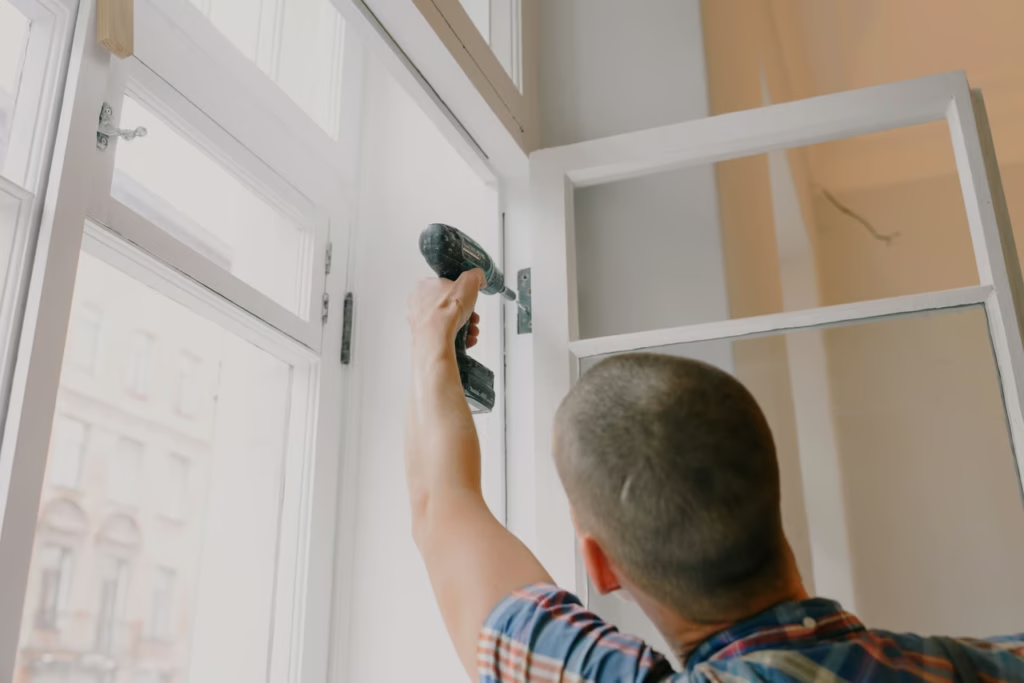
How repair contractors help prevent larger failures
Experienced repair contractors bring a practical outside perspective. They know where building systems commonly fail, what warning signs matter most, and which repairs should be handled first. That kind of insight helps owners make informed decisions instead of reacting only when something breaks.
The best contractors do not just complete a work order and leave. They assess surrounding conditions, document deterioration, and explain whether a problem is isolated or part of a broader pattern. That guidance can be the difference between a smart repair plan and repeated emergency calls.
They identify root causes, not just symptoms
A stain on a ceiling is not always a roofing issue. It could come from flashing, plumbing, condensation, or poor drainage. A crack in masonry might reflect settlement, moisture movement, or failing joints rather than surface wear alone.
Repair contractors help uncover the actual source of the problem. Fixing root causes prevents repeat damage and makes maintenance budgets more effective.
They help prioritize repairs by risk and timing
Not every repair has to happen at once. A skilled contractor can separate urgent needs from issues that can be monitored and scheduled later. That allows owners to use budgets wisely without ignoring serious vulnerabilities.
This approach also reduces the Hidden Costs Behind guesswork. Instead of spending money on cosmetic fixes while critical systems continue to deteriorate, owners can focus on repairs that protect function, safety, and long-term value.

Preventive repair planning supports long-term property value
Buildings that receive steady attention usually perform better over time. Their systems last longer, repair histories are easier to track, and large capital surprises become less frequent. Preventive repair planning also helps preserve appearance, which matters for tenants, customers, and resale value.
Regular contractor inspections can reveal patterns that owners might miss during day-to-day operations. Recurring moisture, sealant failure, drainage problems, and equipment wear are easier to address when they are documented early and reviewed over time.
Small repairs protect larger investments
Every property contains expensive assets that depend on routine care. Roofing protects interiors, HVAC systems protect occupant comfort and equipment, and exterior surfaces protect the structure itself. When maintenance is deferred too long, those larger investments lose reliability and useful life.
Repair contractors help owners protect what they have already paid for. In many cases, a modest repair completed at the right time can extend the life of a major system by years.
Conclusion
Deferred maintenance is rarely just about postponing one repair. It often creates a chain of higher costs, lower efficiency, more disruption, and greater risk. The Hidden Costs Behind inaction show up in damaged materials, emergency labor, lost productivity, and shortened equipment life.
Repair contractors help break that pattern by identifying problems early, solving root causes, and guiding owners toward practical priorities. When maintenance is handled before failure spreads, properties stay safer, perform better, and cost less to operate over time.