
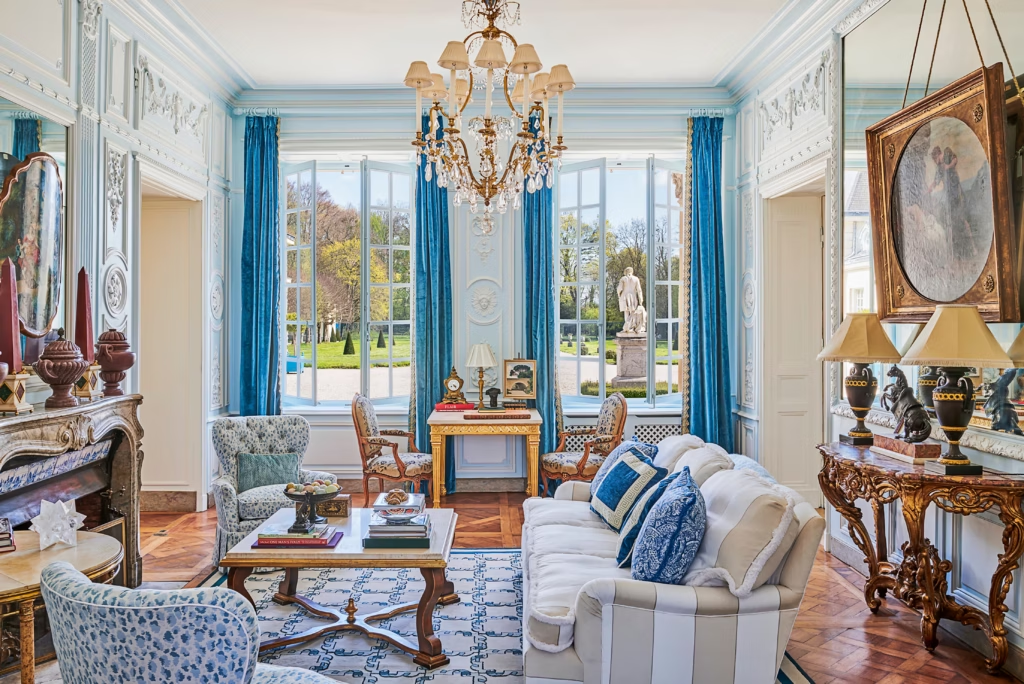
Older homes have charm, solid materials, and details that are hard to find in newer construction. They also tend to leak heat, waste electricity, and cost more to run than they should. The good news is that you do not need a full remodel to see lower utility bills. A Practical approach focuses on upgrades that solve the biggest losses first and offer a reasonable payback.
Many older houses were built before modern insulation standards, efficient HVAC equipment, and air sealing practices became common. That means the best improvements are often hidden behind walls, above ceilings, or inside mechanical rooms. If you want energy-saving upgrades that actually pay off, start with the items that reduce waste before spending money on premium finishes or trendy gadgets.
Start with air sealing before anything else
In many older homes, conditioned air escapes through attic hatches, recessed lights, plumbing penetrations, rim joists, and gaps around windows and doors. Air sealing is often one of the most cost-effective upgrades because it cuts heating and cooling losses right away.
Focus on the attic and basement first
Warm air rises, so attic leaks can be a major source of wasted energy in winter. In basements and crawlspaces, outside air often enters through cracks in framing and foundation transitions. Sealing these areas can improve comfort as much as it lowers bills.
Common fixes include weatherstripping attic access panels, caulking small gaps, and using foam sealant around pipe and wire penetrations. This work is not glamorous, but it is one of the most Practical steps you can take in an older home.
Do not rely on windows alone
Homeowners often assume old windows are the main problem, but drafts are frequently caused by failed sealing around the window frame rather than the glass itself. Before replacing every window, check for air leaks and address those first. It is usually cheaper and the payback is often faster.
Upgrade insulation where it matters most
Once air leaks are reduced, insulation can do its job better. In older homes, attic insulation usually offers the best return because heat loss through the roof can be significant and access is often easier than opening walls.
Add attic insulation to modern levels
If your attic insulation is thin, uneven, or missing in places, adding more can noticeably reduce heating and cooling demand. Blown-in cellulose or fiberglass is common for this job and can cover irregular spaces well.
Insulating the attic floor is usually more cost-effective than reworking finished walls. If the home has knee walls or bonus-room slopes, those areas should also be checked because they are common weak points.
Use caution with wall insulation
Dense-pack wall insulation can help, but older homes may have moisture management issues that need review first. Houses with old siding, no rain screen, or signs of water intrusion should be assessed carefully before wall cavities are filled.
This does not mean wall insulation is a bad idea. It means the best payoff comes when the house can dry properly and the upgrade is matched to the building’s construction.
Replace old heating and cooling equipment strategically
If your furnace, boiler, or central air system is near the end of its life, replacement can bring real savings. But oversized or poorly installed equipment will not perform as promised, even if the efficiency rating looks great on paper.
Right-size the system
Older homes are often fitted with larger systems than they need, especially after air sealing and insulation improvements. A proper load calculation helps avoid overspending on equipment and reduces short cycling, which wastes energy and wears components faster.
Consider heat pumps for all-electric efficiency
Modern heat pumps can work well in many climates and can be especially attractive if you are replacing both heating and cooling systems. They are efficient, provide steady comfort, and may reduce operating costs depending on local utility rates.
Ductless mini-splits can also make sense in homes without existing ductwork or in additions and upper floors that are hard to keep comfortable. In the right situation, they are a Practical upgrade with a clear comfort benefit.
Improve the water heating system and plumbing efficiency
Water heating is a major energy use in many homes, especially when the existing tank is old or poorly insulated. Upgrading here can lower energy use without changing your daily routine very much.
Choose an efficient water heater
Heat pump water heaters are highly efficient and can deliver strong savings over time. For homes where that is not a fit, a high-efficiency gas unit or a well-insulated electric model may still improve performance compared with an aging tank.
Cut hot water waste
Insulating accessible hot water pipes helps reduce standby losses and gets warm water to fixtures faster. Low-flow showerheads also lower water heating costs while maintaining good everyday performance when chosen carefully.
Use lighting and controls to capture easy savings
Not every upgrade has to be expensive. LED lighting, smart thermostats, and better controls can offer a quick payback, especially in homes still using older bulbs and basic manual settings.
Switch to LEDs throughout the house
LEDs use much less electricity and last far longer than incandescent or halogen bulbs. If you replace the most-used fixtures first, such as kitchen, living room, and exterior lights, the savings add up quickly.
Install controls that match how you live
A programmable or smart thermostat can reduce unnecessary heating and cooling when you are asleep or away. The key is using it consistently and setting schedules that fit real habits rather than ideal ones you will not follow.
Bath fans on timers, occupancy sensors in low-use spaces, and power strips for electronics can also trim waste. These smaller improvements work best as part of a broader Practical plan rather than as stand-alone fixes.
Know when window replacement is worth it
Full window replacement is one of the most expensive efficiency upgrades, so it does not always offer the best financial return. If existing windows are structurally sound, repairs, weatherstripping, and storm windows can often deliver meaningful savings at a lower cost.
Repair before replacing
Restoring original wood windows, adding quality storms, and sealing gaps can improve comfort while preserving the home’s character. In many cases, this approach has a better payback than complete replacement.
Replace only when there are multiple problems
New windows make more sense when frames are rotting, operation is poor, condensation issues are severe, or major renovations are already underway. Then the value includes durability, maintenance reduction, and comfort, not just utility savings.
Conclusion
The best energy-saving upgrades in older homes are usually not the flashiest ones. Air sealing, attic insulation, right-sized mechanical systems, efficient water heating, and simple controls tend to deliver the strongest results for the money.
If you want the biggest payoff, begin with an energy audit or a careful inspection of where your home is losing heat, air, and hot water. That helps you spend in the right order and avoid upgrades that sound efficient but offer a weak return. With a Practical plan, an older home can keep its character while becoming much more comfortable and affordable to run.